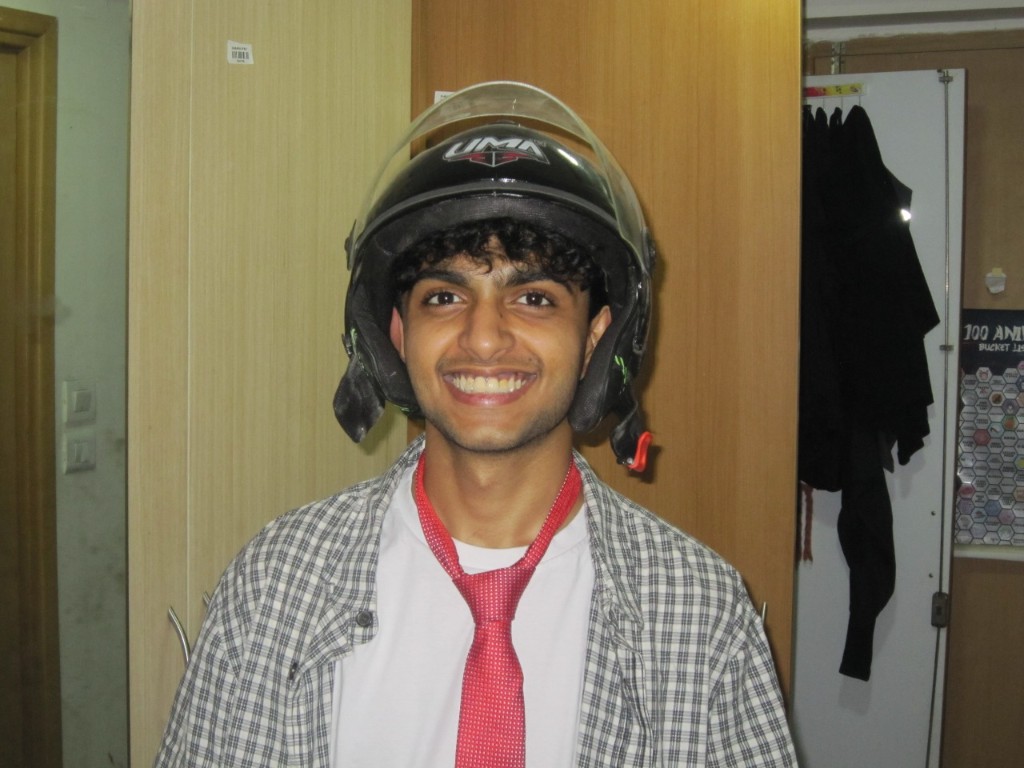
Hey, I'm Denel. I make things, break them, and figure out the why afterwards. I am very much into experimenting with new technologies, and I care too much about how a product looks and feels to use.
Before this, I swam professionally for two years. I still lift and run, and I want to be able to complete a full one day.
saw irl
listening to
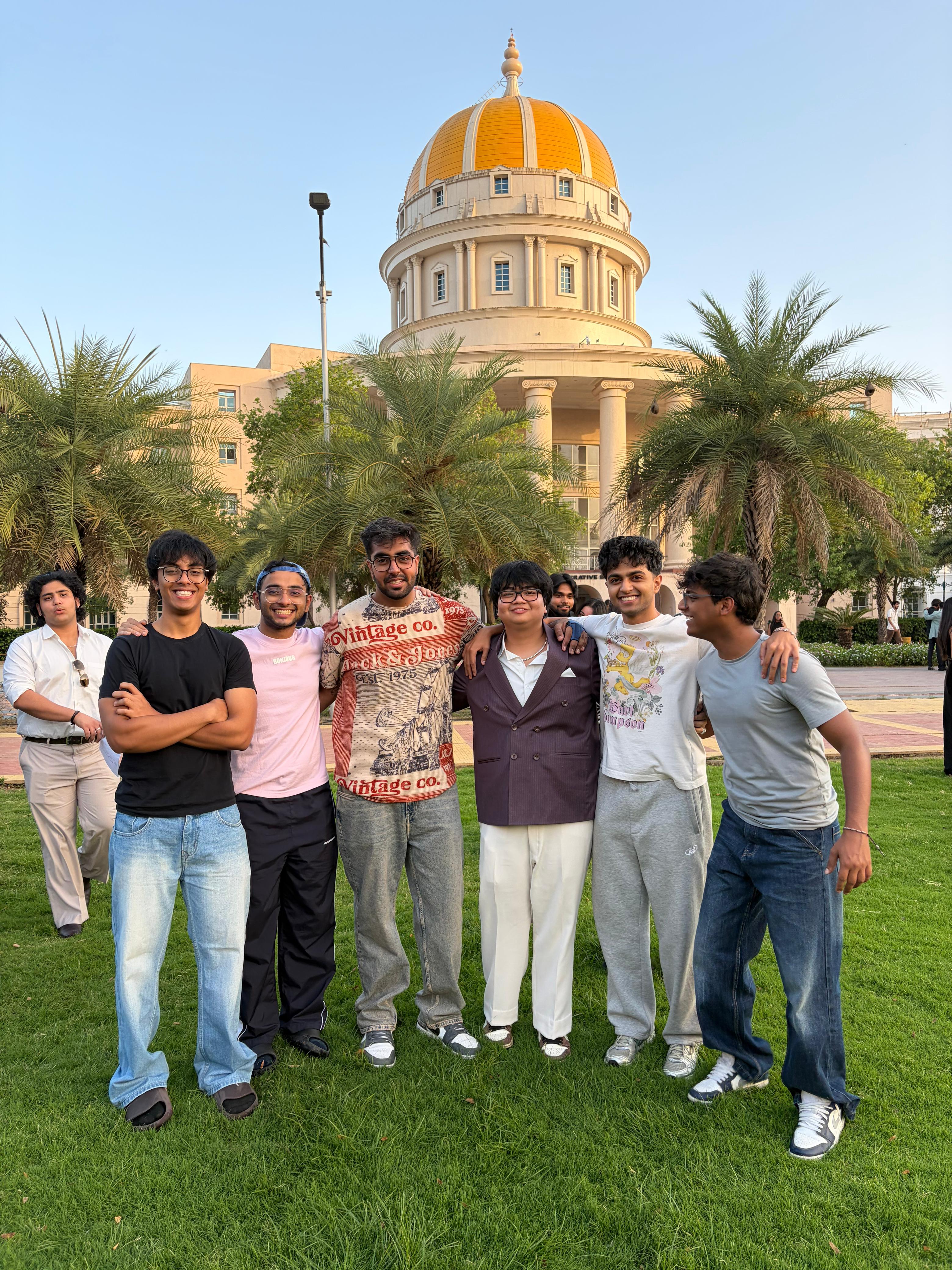
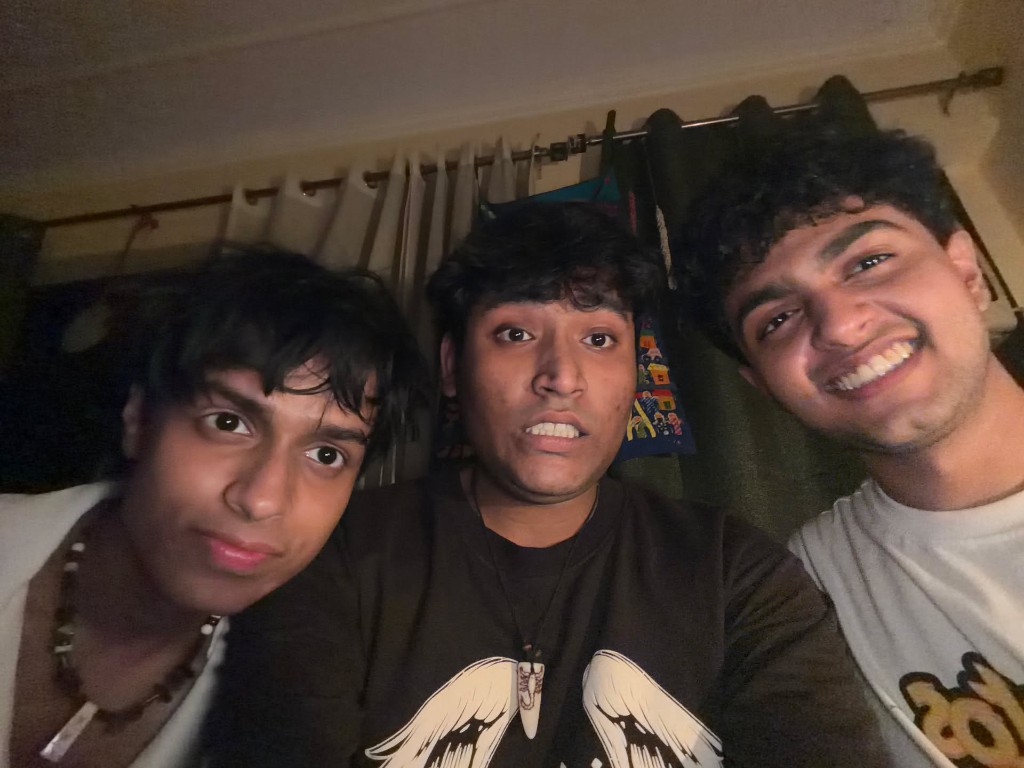
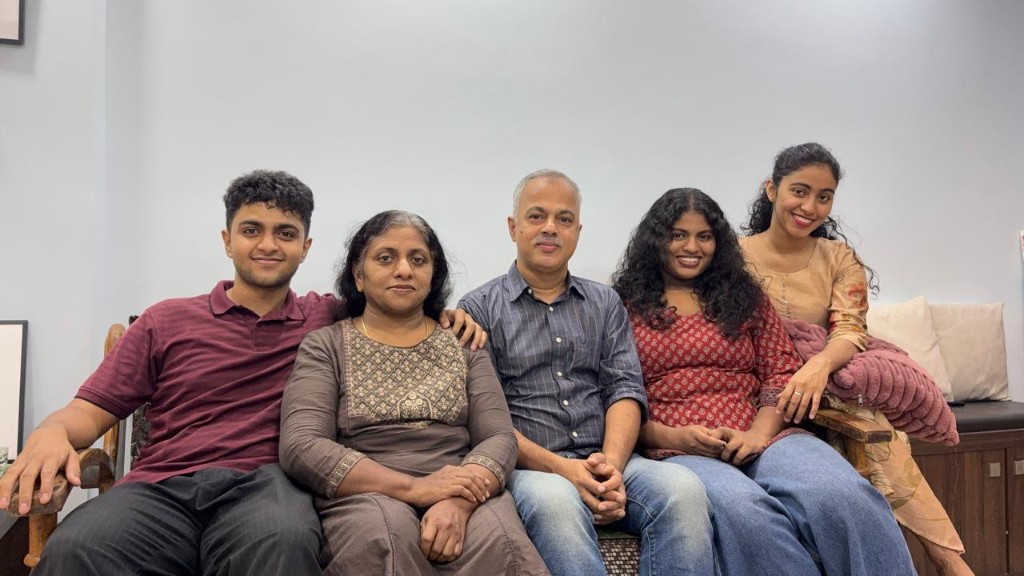
I've been really lucky with the people in my life. Half of them came with the family, and the rest I collected over the years. Honestly, the line between the two blurred out a long time ago. These are a few of them.
World Models & AGI
You can picture a glass falling before it hits the floor. Nobody taught you that. You watched the world long enough to guess what happens next. That guess in your head is a world model.
Most chatbots don't have one. They're great at the next word, and they've never seen a glass fall. Yann LeCun says a house cat gets the world better than the smartest chatbot. AGI, artificial general intelligence, is a machine that can take on new problems the way a person can, not one trick it was trained for. His bet is that this starts when a machine can watch, imagine what happens next, and then act.
He calls his version of this JEPA. Instead of trying to redraw the next moment in perfect detail, it only keeps the part that matters and guesses that. The glass tips. The water spills. Not the exact shine on the glass.
Most of the big labs are on a different path. They keep the chatbot and train it to score higher on benchmarks, public tests in math, coding, and finishing a task. More data, then lots of practice on problems that have a right answer, and they keep the attempts that pass. The scores climb fast. That still isn't a world model. You can get really good at the test and still not know the glass falls.
Snoop, down below, has read everything and seen nothing. Jump into his world and teach him how it works.
loading…
Fun fact: people have trained AI to dream up entire Minecraft worlds, frame by frame, with no game engine underneath. That's a world model too.
All software is open now
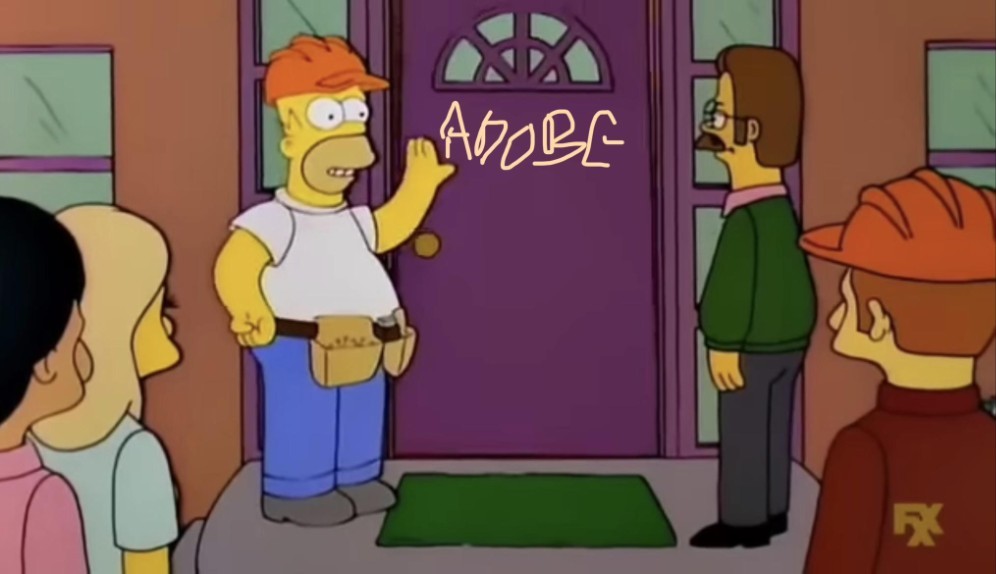
Last week a developer got so tired of Adobe's cancellation fees that he rebuilt seven of their apps and gave them away. Photoshop, Illustrator, Premiere, the rest of that suite. Free, open source, and they even run on Linux, which Adobe never supported. His name is Brandon Thomas, the project is ArtCraft, and he did it by opening Claude and building them again from scratch.
That already felt unreal. Then I found REA, Reverse Engineer Anything. It's a skill you give your coding agent. You point it at an app on your computer and ask how something works, and it goes and looks at the program itself.
Companies don't ship you the recipe. They ship a finished file your computer can run, written in ones and zeros. A decompiler turns that file back into something a person can read. Tools like Ghidra and IDA have done this for years. What you get back is a mess though. No names, no comments, thousands of little functions, and figuring out what they do used to take forever. That slog is why shipping an app still felt safe.
Agents are stupidly good at that slog. They follow the mess, name things, and keep checking. REA puts an agent on top of those old decompilers. You ask about one feature, it reads it, and then you can tell it to build your own version.
So yeah. I think any software is basically open source now. Not because companies posted their code. Because if it runs on your machine, an agent can work out what it does. That was not plausible for one person before. It is now. I can't get over how crazy that is.